HOW AN OIL WELL IS DRILLED AND PUT INTO PRODUCTION:
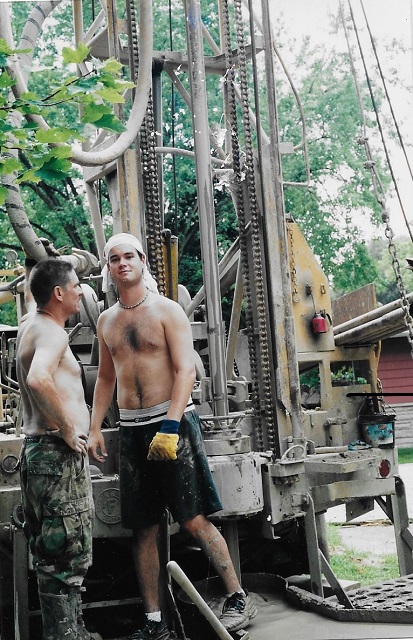
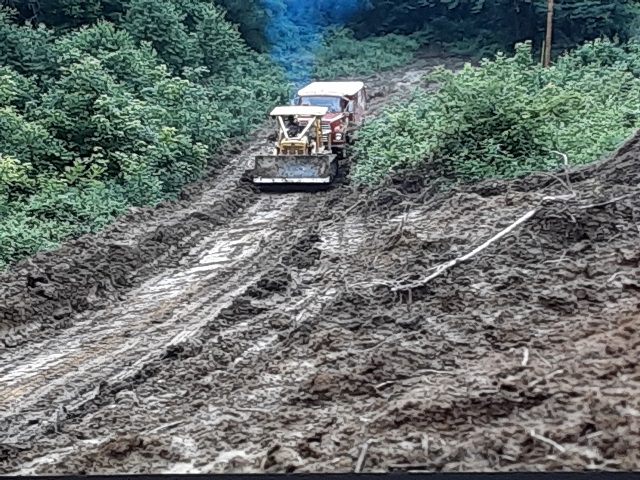
The drilling team brings the drilling equipment in and sets it in place.
Once the equipment is set the drilling begins. 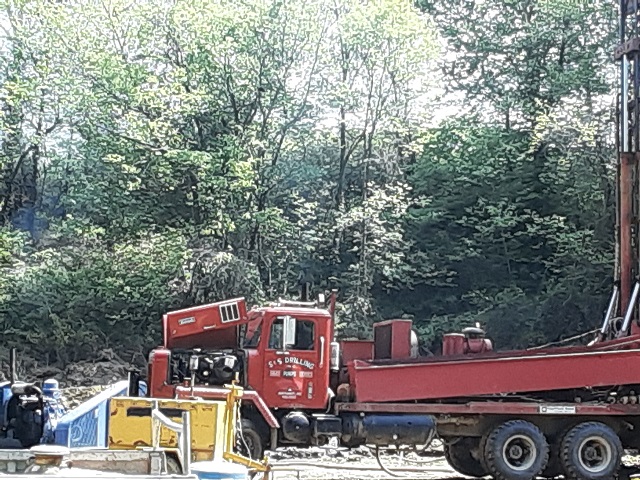
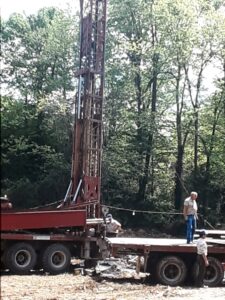
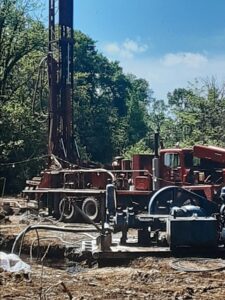
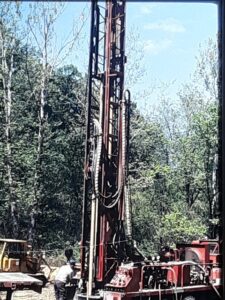
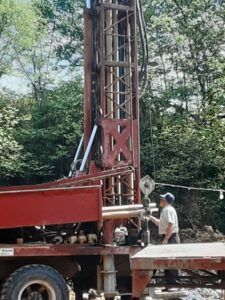
The drilling samples are recovered as the well is being drilled, and they are delivered to the geologist for inspection.
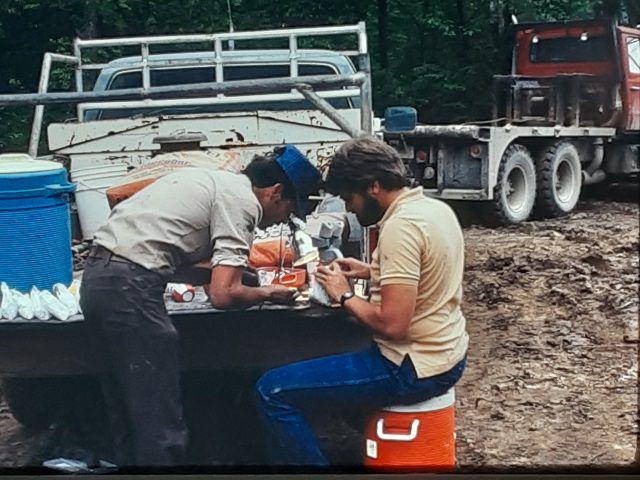
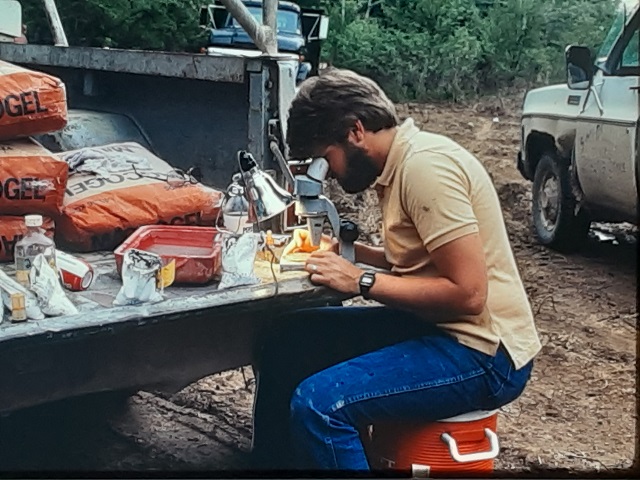
The geologist studies the samples and determines whether oil and gas are present in the samples and helps determine the potential of making a production well. If the samples show promise of a production well, the well is logged with a wireline tool to make the final determination. If it is determined that a commercial well may exist, the long string (production casing) is installed with centralizers and the well casing is cemented into place.
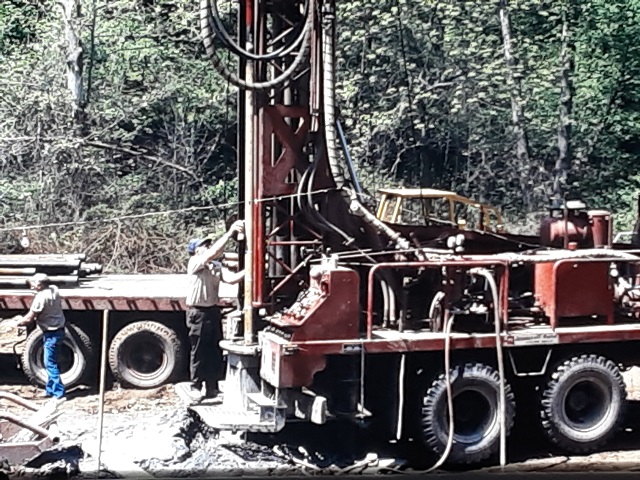
After the casing is set the drilling rig is removed.
After the drilling rig is removed the well completion equipment is set in place and the well completion operation begins.
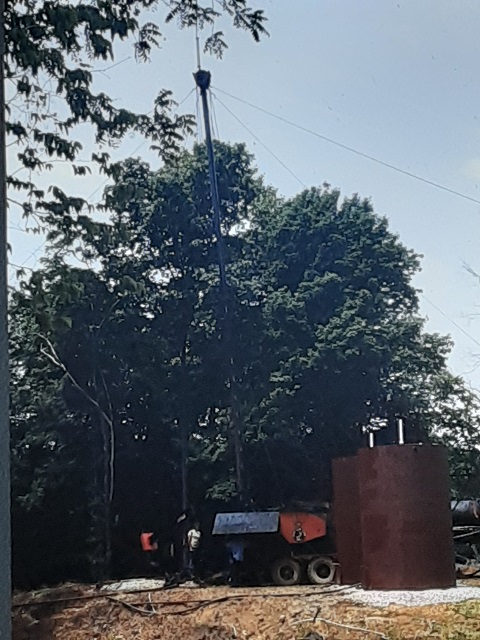
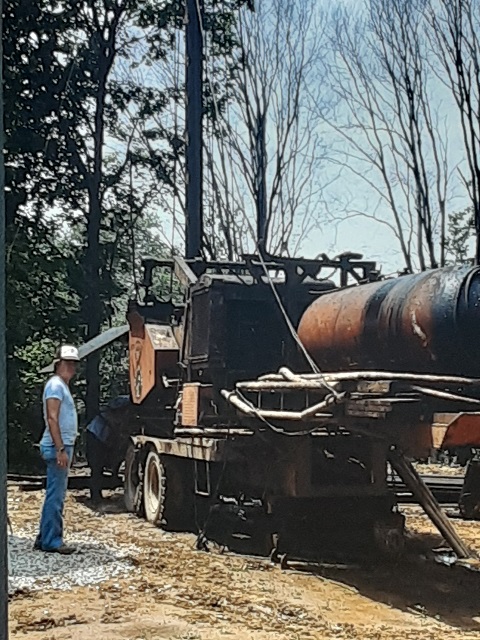
The casing is then perforated with explosive charges by the well loggers.
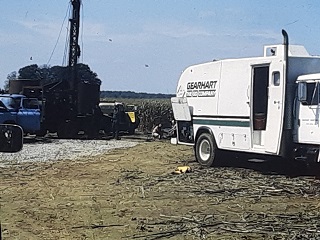
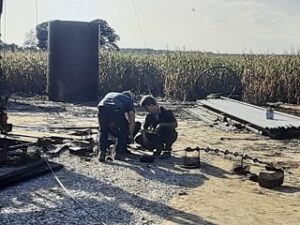
After the production casing is perforated the well is treated, usually with hydrochloric acid, and then fracked by pumping gelled water with silica beads under high pressure into the oil/gas production zone. This fractures the rock and the gelled water carries the silica beads back into the formation with the gelled solution. Once the silica sand is in place to prop up the layers of rock apart the pumping volume is stopped, and the rock layers collapse onto the silica beads leaving a larger path for the oil and gas to pass through.
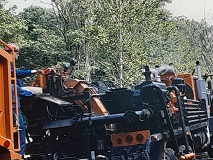
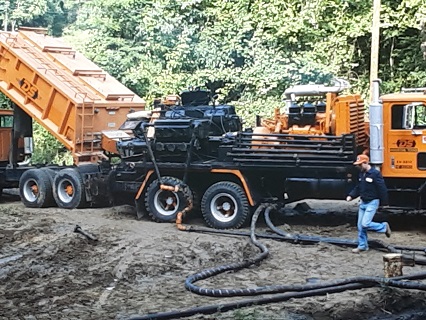
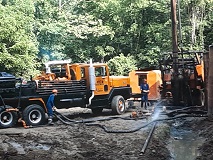
After the well is fracted, if it does not start flowing, the crew swabs the well to bring in the initial production.
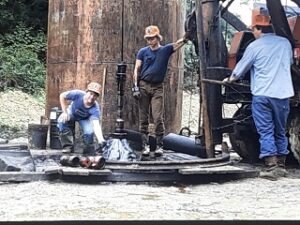
After the removal of the fracking fluid the well flows of pure oil sometimes mingled with salt water.
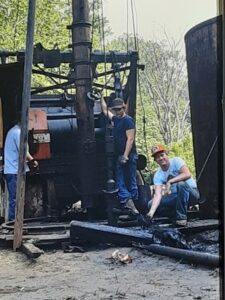
Then the pumping equipment is installed.
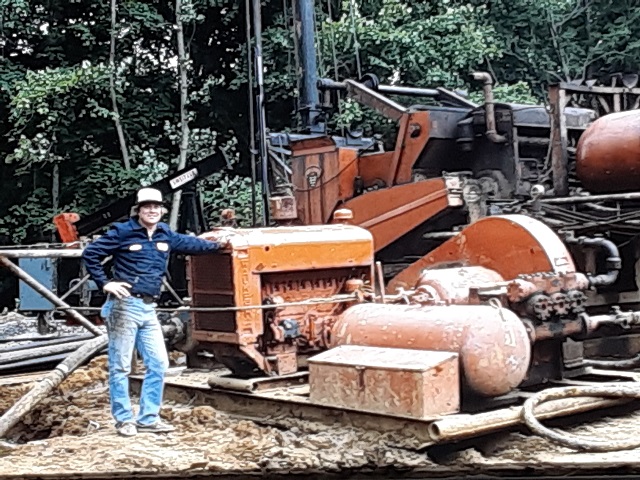
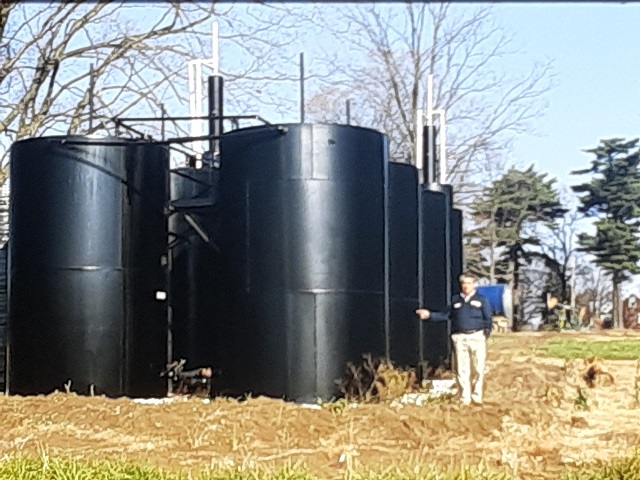
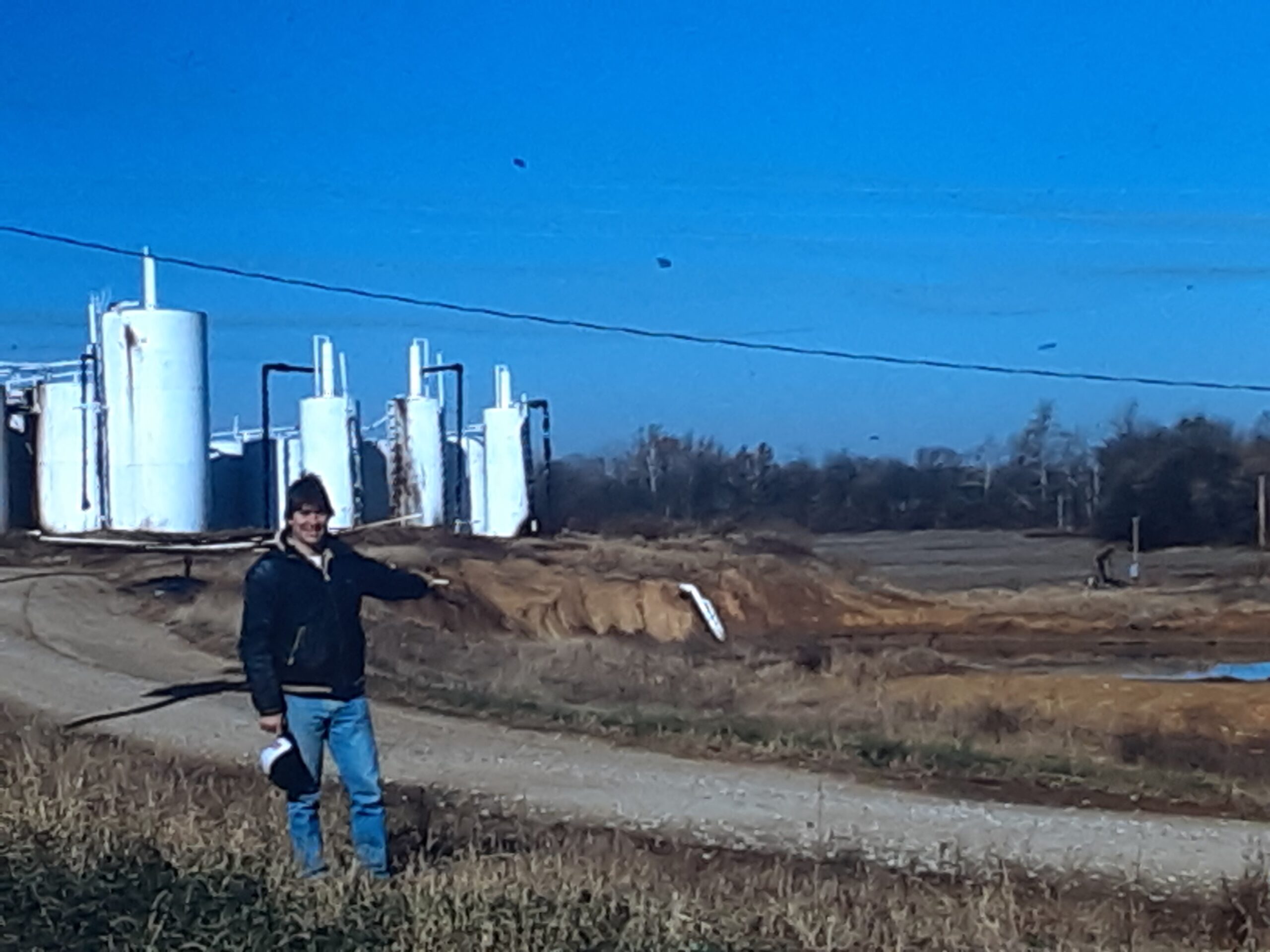
The flow lines are installed, and the tank battery is set.
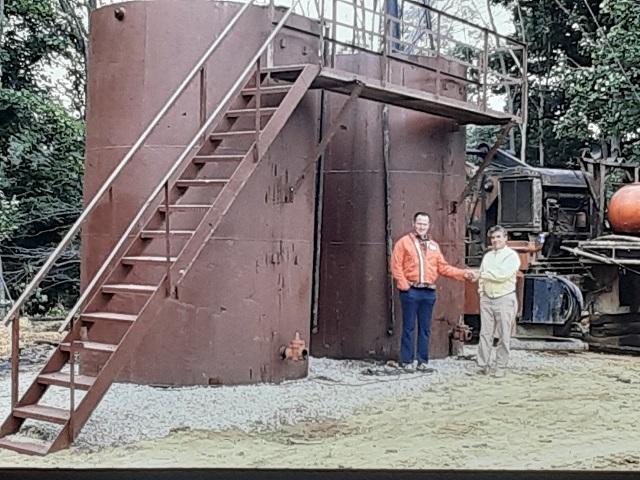
And finally, the completion equipment is removed, the tanks are painted and numbered, and the well is put into production.